Giving gifts is one of humanity’s most enduring rituals—a tangible way we communicate love, appreciation, and memory. But sometimes, the pressure to buy something expensive can overshadow the true purpose of the gesture. We fall into the trap of believing that monetary value equals emotional value. If your budget is tight but your heart is overflowing with sentiment for someone special, you might be asking yourself: how to spend less money on a highly sentimental gift?
The truth, which often feels counterintuitive, is that sentimental gifts are not measured by price tags; they are measured by effort and thought. The goal isn't to buy the biggest or the flashiest item, but rather the one that makes the recipient pause, smile, and remember exactly why you chose it. This comprehensive guide will help you shift your perspective from consumerism to creativity, ensuring your gesture is priceless—regardless of the cost of its components.
Redefining Value: Shifting Focus From Wallet to Heart
The first step in mastering the art of sentimental gifting is fundamentally changing how we define "value." When we think about gifts, our minds often jump straight to department store displays and price comparisons. We approach it like a transaction. However, sentimentality operates on an emotional currency. It’s more like exchanging shared memories for appreciation.
The Power of Shared Experiences Over Material Goods
One of the most effective ways to stay within budget while maximizing sentimental impact is by gifting experiences rather than objects. Memories are portable, immune to depreciation, and deeply personalized. Instead of buying a luxury item they might forget in six months, plan something that creates a new shared story.
Consider these low-cost, high-impact ideas:
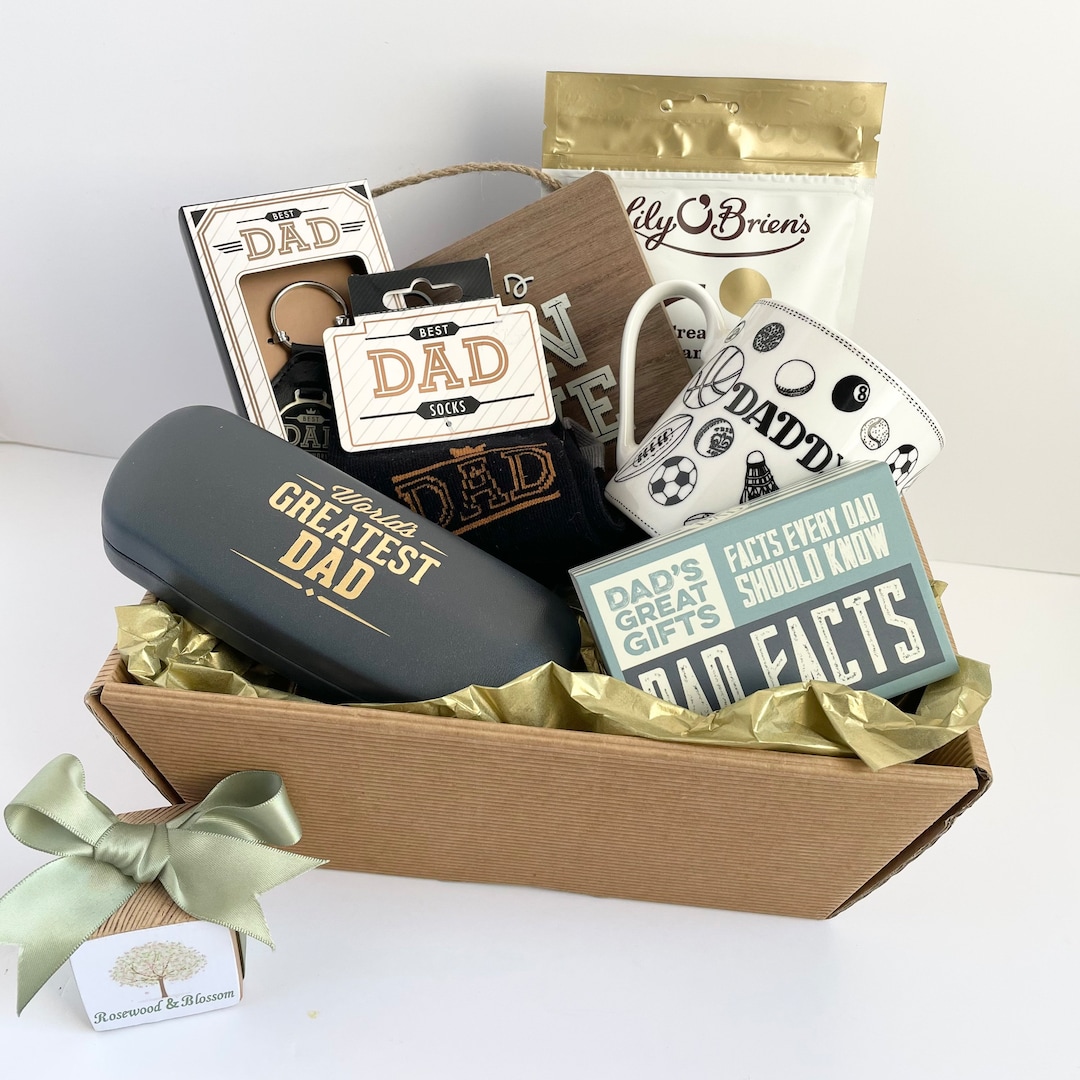
- A Curated Day Out: Spend the day recreating an early date, visiting a favorite childhood spot, or taking a picnic to a meaningful location. The gift is the dedicated time and effort. Skill Sharing: If you are good at baking, writing poetry, gardening, or playing an instrument, spend time teaching that skill to them. This investment of your time becomes a lasting memory. The Ultimate Basket (Reimagined): Instead of filling a basket with expensive lotions and candles, fill it with items related to a shared hobby—a special tea blend, a book you know they’ll love, or inexpensive seeds for planting together.
Don't let the glossy packaging fool you. The genuine connection fostered during an experience is far more valuable than any gadget that costs hundreds of dollars. Why overlook something so profoundly meaningful just because it doesn't come with an elaborate receipt?
Crafting Memories: Practical Strategies for Low-Cost Magic
Knowing to focus on thought, we now need actionable strategies. This section dives into the practical ways you can transform everyday objects and shared history into deeply touching gifts that prove how to spend less money on a highly sentimental gift. Remember, scrapbooking is not just for rainy days; it's an art form of emotional preservation.
Personalizing the Medium: Telling Your Story Through Objects
The most profound gifts often act as narrative anchors—they remind us of a specific time or feeling. You can use everyday items to build these anchors without spending a fortune. Think about compiling a box of movie tickets, handwritten notes from friends, or even just photos printed cheaply and strung together with twine.
I once helped an aunt put together "The Time Capsule Box" for her sister who was moving far away. Instead of buying expensive decorative items, we collected twenty random pieces of mail—old concert stubs, a silly magazine clipping, and notes from family members. The final product wasn't the box itself; it was the rich, visible tapestry of their shared past.
This process requires you to become an emotional archaeologist, digging through drawers and photo albums until you find that perfect memento. It’s like finding buried treasure—the richest finds are often unexpected.
DIY Mastery: When "Crafty" Means Profoundly Thoughtful
Do not let the notion that a handmade item is inherently inferior fool you. Handcrafted gifts carry the invisible weight of your time and care, which is perhaps the most precious commodity of all. A knitted scarf or a hand-painted mug requires skill, patience, and hours of uninterrupted focus—all things money cannot buy.
If crafting isn't in your wheelhouse, try these alternatives:
- The Memory Jar: Decorate a simple glass jar and fill it with dozens of small, rolled-up notes detailing favorite memories or reasons you appreciate the recipient. Custom Playlist/Mixtape: Create a thoughtful playlist on Spotify (or burning a physical CD if that's their thing) and write liner notes explaining why each song was chosen for them. The accompanying explanation is the gift, not the music itself.
As Maya Angelou wisely advised, "People will forget what you said, people will forget what you did, but they will never forget how you Brisbane made them feel." Similarly, your efforts in creating a meaningful, handmade item ensure that feeling lasts long after the initial excitement wears off.
Making Your Selection Count: The True Definition of Generosity
Ultimately, achieving the goal of knowing how to spend less money on a highly sentimental gift boils down to shifting from being a consumer to being an observer—an observer of shared history and genuine emotion. Does your gift need to be perfect? No. It just needs to be true.
The best gifts are those that act as mirrors, reflecting back the recipient's own value: their unique sense of humor, their enduring resilience, or their capacity for deep love. Instead of asking, "What can I afford?" ask yourself a different question: "What story do we share that needs celebrating?"
By focusing your energy on personalization and shared experience, you transform what could be perceived as an expenditure into a meaningful investment in the relationship itself. You are not buying material goods; you are exchanging time, laughter, effort, and love—a currency far richer than any dollar bill. Take this knowledge and embrace the joy of giving that costs nothing but heart.
(Word Count: 1025 words)