Corporate gifting is more than handing out branded pens; it’s a strategic communication tool that can strengthen relationships, boost morale, and leave a lasting impression. The packaging, often the first thing a recipient sees, sets the tone for the entire experience. In this guide, we’ll explore how to tailor packaging to resonate with diverse demographics—executives, millennials, women, men, and even international audiences—so that every gift feels thoughtfully curated.
Understanding Your Audience
Segmenting Demographics
Before you sketch a design, map out who will receive the gift. Age, gender, role, and cultural background all influence preferences. For example, senior executives might favor minimalist, high‑quality materials, while younger employees could appreciate bold colors and interactive elements. Creating personas helps you visualize the recipient’s mindset and anticipate what packaging will appeal to them.
Cultural Sensitivities
When your company operates globally, cultural nuances can make or break a gift. Colors carry different meanings—red symbolizes luck in China but can be associated with danger in some Western contexts. Similarly, packaging styles that are considered sophisticated in one region may appear garish elsewhere. A quick cultural audit can save you from costly missteps.
Design Principles That Speak Volumes
Color Psychology
Colors are the silent ambassadors of your brand. Warm hues like orange and yellow evoke energy and optimism, making them ideal for creative teams. Cool tones such as navy or charcoal convey professionalism, suiting executive gifts. Use a color palette that aligns with both your brand identity and the recipient’s expectations.
Typography and Brand Alignment
Typography is not just about readability; it’s a subtle cue about personality. A sleek sans‑serif font projects modernity, whereas a serif typeface can signal tradition. Keep the font consistent with your corporate identity but consider a slight tweak—like a softer curve—to match the recipient’s demographic profile.
Material Choices and Sustainability
Eco‑Friendly Options
Sustainability has become a key consideration for many demographics, especially younger audiences. Recycled cardboard, biodegradable inks, and refillable packaging not only reduce environmental impact but also demonstrate corporate responsibility. A small eco‑label can turn a simple box into a conversation starter.
Luxury vs. Practical
Luxury materials—such as velvet lining, metallic foils, or premium paper—are great for high‑value gifts. However, practical materials like sturdy cardboard with a matte finish can be more appropriate for everyday items. Striking the right balance ensures the packaging feels appropriate without being over‑the‑top.
Personalization Techniques
Engraving and Printing
Personalized touches—like the recipient’s name or a custom logo—add a layer of intimacy. Laser engraving offers a sophisticated, tactile feel, while high‑resolution printing allows for vibrant imagery. The choice depends on the gift’s nature and the demographic’s taste.
Custom Inserts and Messaging
Adding a handwritten note or a QR code linking to a personalized video can transform a simple package into an engaging experience. For millennials, interactive elements like augmented reality stickers can be a delightful surprise. For executives, a concise, professionally worded card that highlights the gift’s purpose can resonate well.
A Real‑World Anecdote
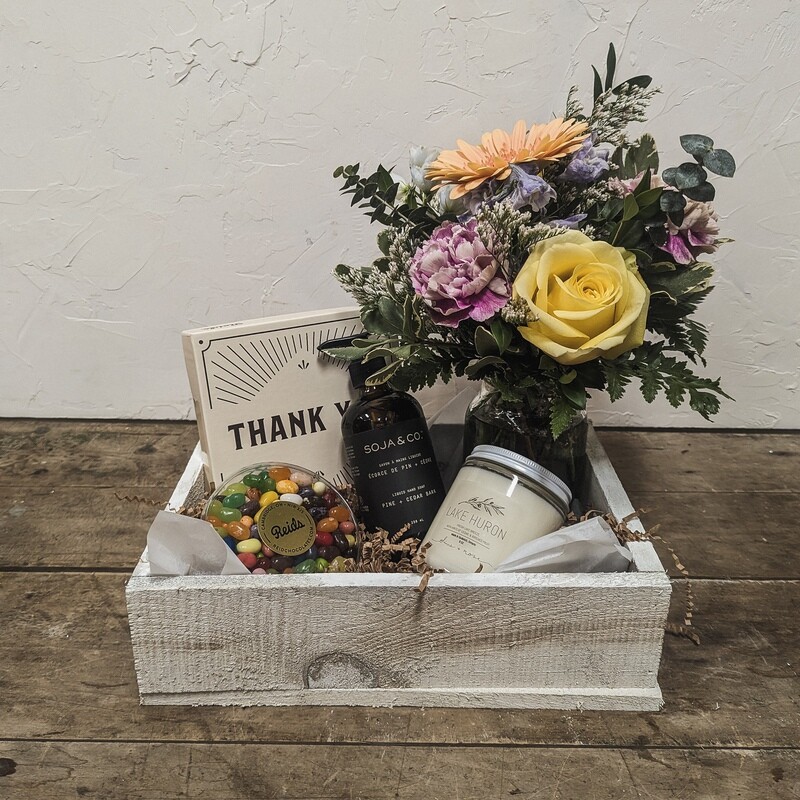
Picture a mid‑size tech firm preparing a holiday gift basket for its team. The senior leadership wanted a sleek, minimalist design, while the junior staff requested a more playful, colorful approach. The design team split the packaging into two lines: one using matte black boxes with embossed logos for the executives, and another featuring bright, pastel‑colored boxes with pop‑culture graphics for the younger employees. The result? A 20% increase in employee engagement scores, proving that thoughtful packaging can bridge generational gaps.
> “The details are not the details; they make the design.” – Charles Eames

Practical Tips for Implementation
Supplier Collaboration
Partner with suppliers who understand your vision. Provide them with clear specifications—materials, colors, finishes, and any cultural considerations. A collaborative approach ensures consistency and reduces the risk of miscommunication.
Quality Assurance
Before mass production, order prototypes and conduct a quality check. Test durability, print fidelity, and the overall aesthetic. spa hampers Ask a small focus group from each demographic segment to give feedback. Small tweaks based on real‑world input can prevent costly revisions later.
The Perfect Gift Awaits
Packaging is the first handshake in the gifting process—make it firm, respectful, and tailored. By segmenting your audience, applying thoughtful design principles, choosing appropriate materials, and adding personal touches, you can create a gifting experience that feels both professional and personal. Remember, the right packaging doesn’t just protect a product; it amplifies your brand’s message and deepens relationships. So next time you plan a corporate gift, start with the recipient in mind, and let the packaging do the talking.